Barriers were never about payment. They were about forcing a stop so someone could collect. When the entry and exit are recorded by camera, the stop is no longer needed — but the collection has to be designed properly, because nothing physically prevents a driver from leaving.
Three ways the money arrives
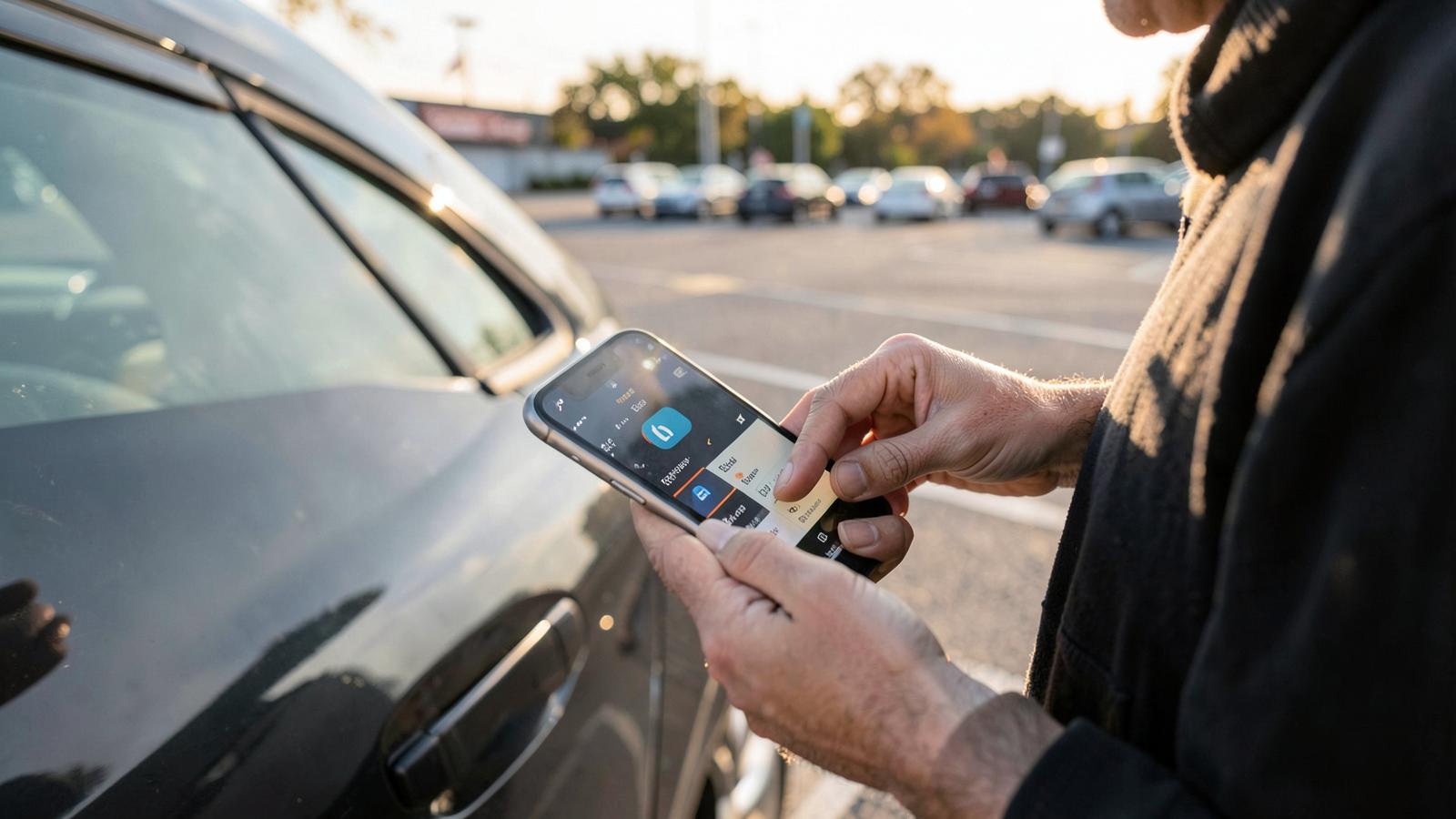
Pay-during-stay is the familiar one — the driver pays for the plate on a phone, at a terminal or through a parking app, and the session closes when the vehicle leaves. Pay-after-stay invoices the registered keeper once the duration is known, which suits sites where drivers are in a hurry.
The third route is account billing: tenants, staff, hotel guests and fleet operators are recognised by plate and charged monthly, or not charged at all. Most real sites use all three at once, per zone.
- Free grace periods for drop-offs and turnarounds
- Different tariffs per zone, per hour of day and per vehicle group
- Whitelisted plates that never produce a charge
- Guest validation issued by a tenant or reception
What happens when nobody pays
A share of stays always goes unpaid. The system's job is to turn each one into a case that stands up: plate, timestamps, entry and exit frames, tariff applied, reminders sent. With that pack attached, a reminder is credible and an escalation is straightforward.
Sensible escalation is gradual — a notice, then a fine, then hand-off to a licensed collection partner for aged debt, with the recovery status flowing back into the same revenue reporting as everything else.
The operational payoff
Removing barriers removes the queue at the entrance, the hardware that jams in winter, and the callouts when a ticket machine goes offline. Throughput rises on busy sites simply because nobody stops.
It also changes what the operator looks at daily. Instead of machine alarms, the dashboard shows occupancy, revenue per bay and the exceptions that need a human decision.