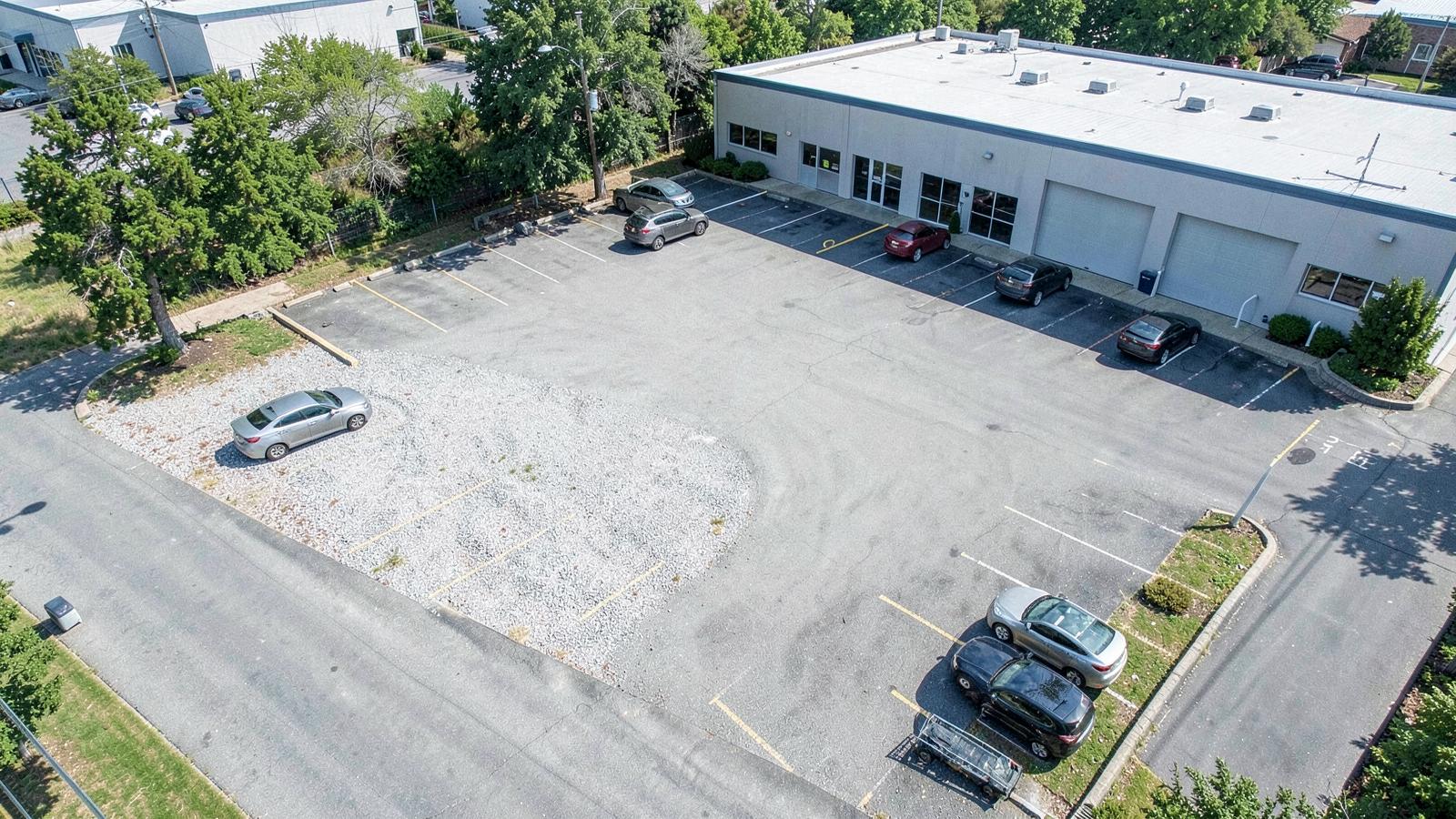
Plenty of usable parking sits idle because managing it looks like a job. A plot with twenty bays cannot carry an attendant, and a barrier plus ticket machine rarely pays back. Camera-based management changes the arithmetic, because the running cost is software rather than staff.
Start by measuring, not charging
Before setting a price, find out what is happening. A single camera on the entrance produces occupancy by hour, average stay length and how much of the site is taken by vehicles that should not be there — commonly the largest single finding on small private lots.
After a few weeks of data, pricing becomes a decision rather than a guess: what to charge, when to charge it, and whether the site is better as paid public parking, tenant parking, or a mix.
The rules that make small lots work
Small sites live or die on exceptions. Tenants and staff must never be billed, deliveries need a grace period, and visitors must have an obvious way to pay within a couple of minutes of arriving.
Signage is part of the system, not decoration. Clear terms at the entrance are what make a later charge defensible, and they cut disputes far more than any technical feature.
- Whitelist for tenants, staff and regular contractors
- A free grace window for loading and drop-off
- One tariff per zone, written on the sign at the entrance
- An evidenced record behind every charge that leaves the site
What the owner actually does each month
In steady state the work is small: review the exception list, approve or waive a handful of charges, and read the revenue report. Everything else runs on recognition and rules.
That is the point of treating a yard as a parking business — the income becomes visible and repeatable, and the land stops being a cost line that happens to have cars on it.